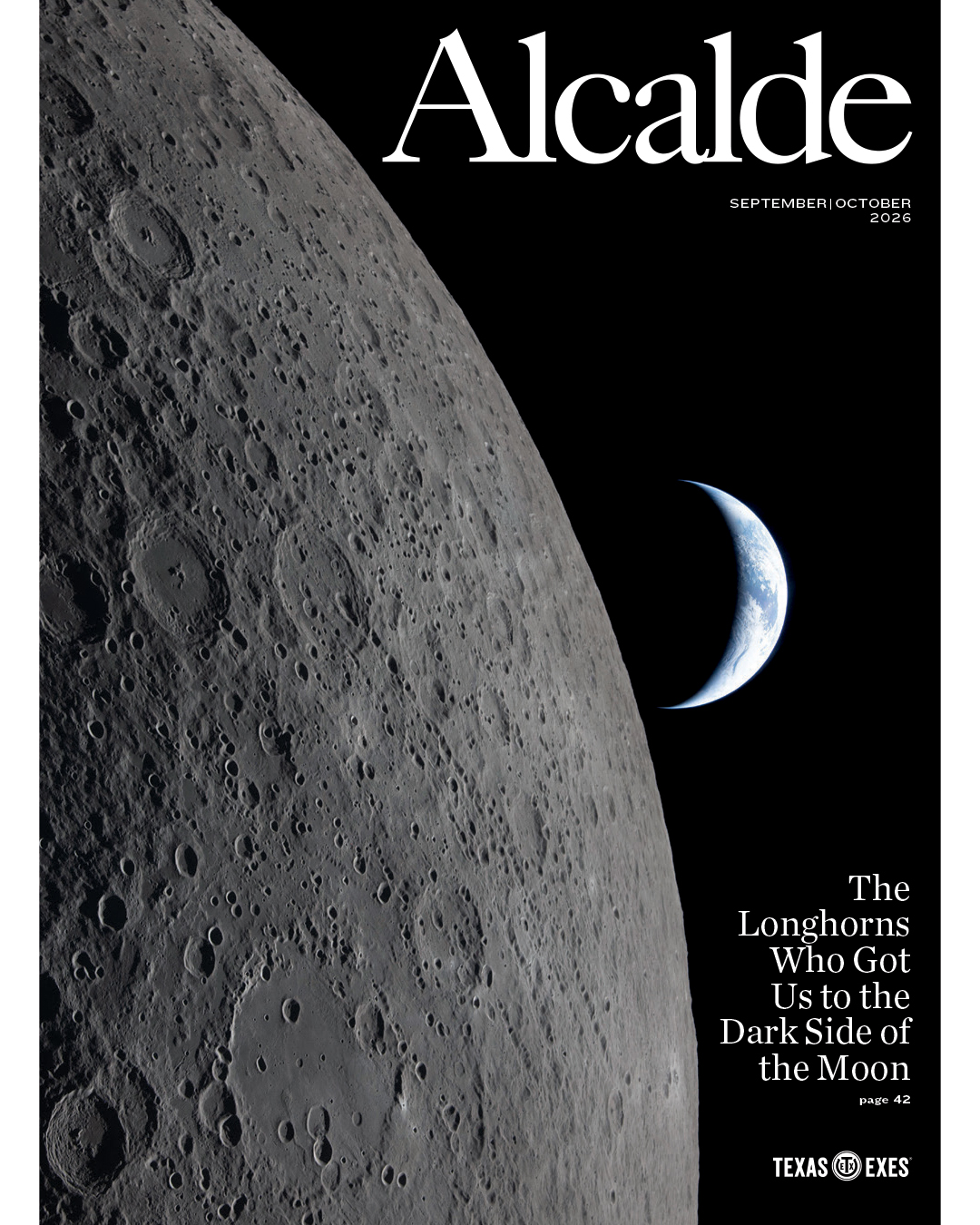
The Longhorn Linguist Entertaining the Masses
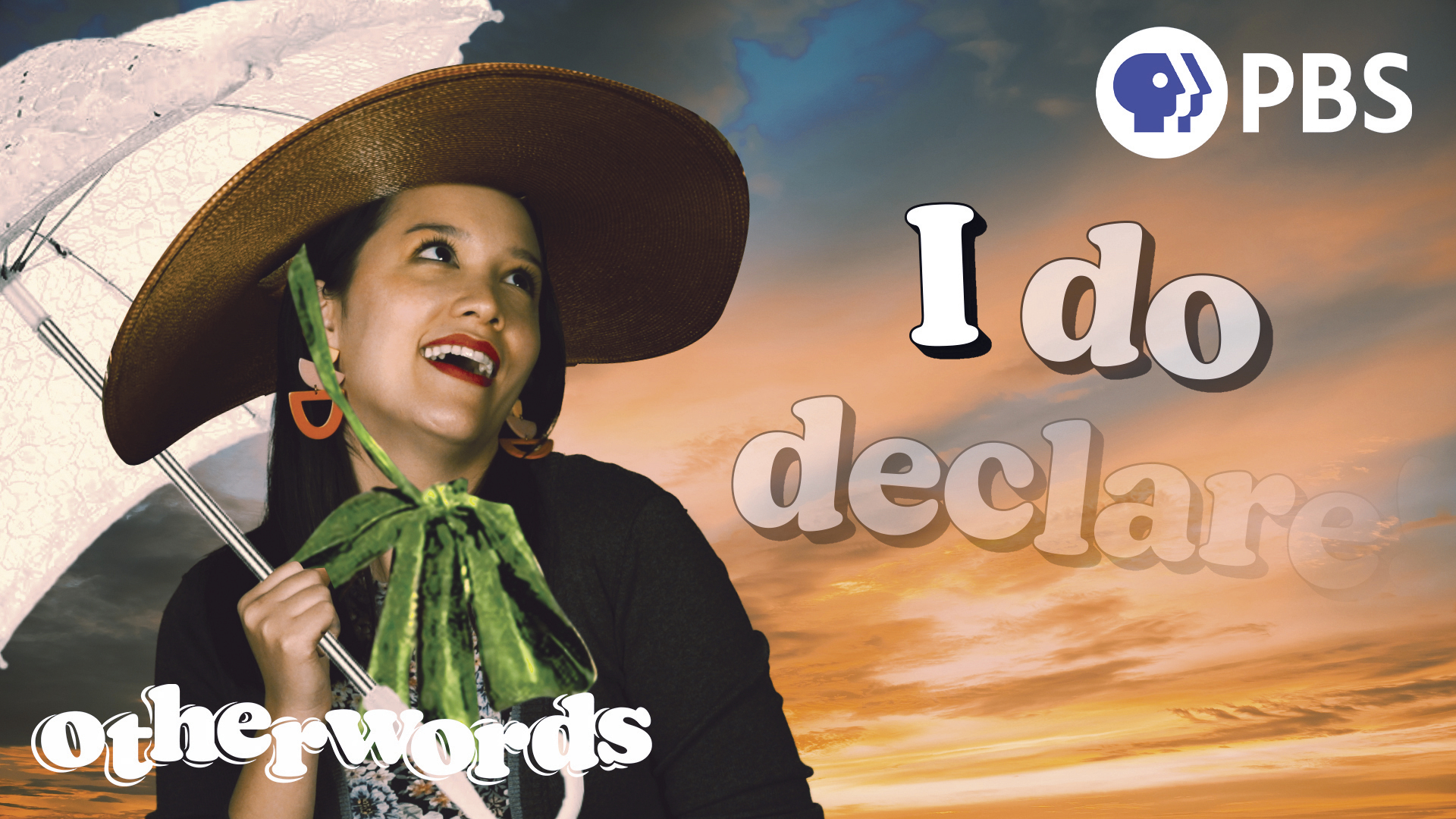
At a restaurant with friends, Erica Brozovsky’s waiter turned to her at the end of their meal with a smile: “I just want to let you know I’m a huge fan.” Brozovsky, BA ’13, MA ’16, PhD ’20, has only been recognized in public four times (so far), but it’s likely four times more than most sociolinguists. As the host of PBS’ Otherwords, a linguistics series in the network’s popular suite of educational digital shows, Brozovsky is known for her engaging, cheeky videos on the origin of popular words and phrases. The episodes are brief (usually less than 10 minutes) and interdisciplinary—drawing upon literature, biology, history, and etymology to uncover truths about human behavior. Throughout the past five seasons, she’s explored how colors got their names, why texting feels different than talking, how cult leaders use language to control people, and why corporate jargon feels so cringey.
“This show always reminds me how well PBS has transitioned onto the internet,” reads a YouTube comment on the corporate jargon episode. “I feel the same kind of cozy-smart after an episode of Otherwords as I did watching PBS on TV as a kid in the ’90s.”
Now in its sixth season, Otherwords has surpassed the one million subscriber milestone on its shared YouTube channel, “Storied,” and won its first Webby award last year. The latest season premiered in February with an episode on how K-pop is shaping language around the world.
The videos are entertaining and crafted for social media virality, but the intention behind them is thoughtful. Each episode builds on the show’s central thesis, one that Brozovsky has spent her career pondering: Why does language matter? How does understanding the origin of words help us understand our culture and personal identities?
Before Brozovsky was a PBS host, she was a PBS kid. Magic School Bus and Arthur were favorites, and she was a voracious reader—getting her first library card before kindergarten and making weekly trips to her local library. When she didn’t know a word, she’d pause to look it up in the dictionary.
“I was an indoor kid,” she says. “I spent a lot of time with books, and that was my way of engaging with the world around me.”
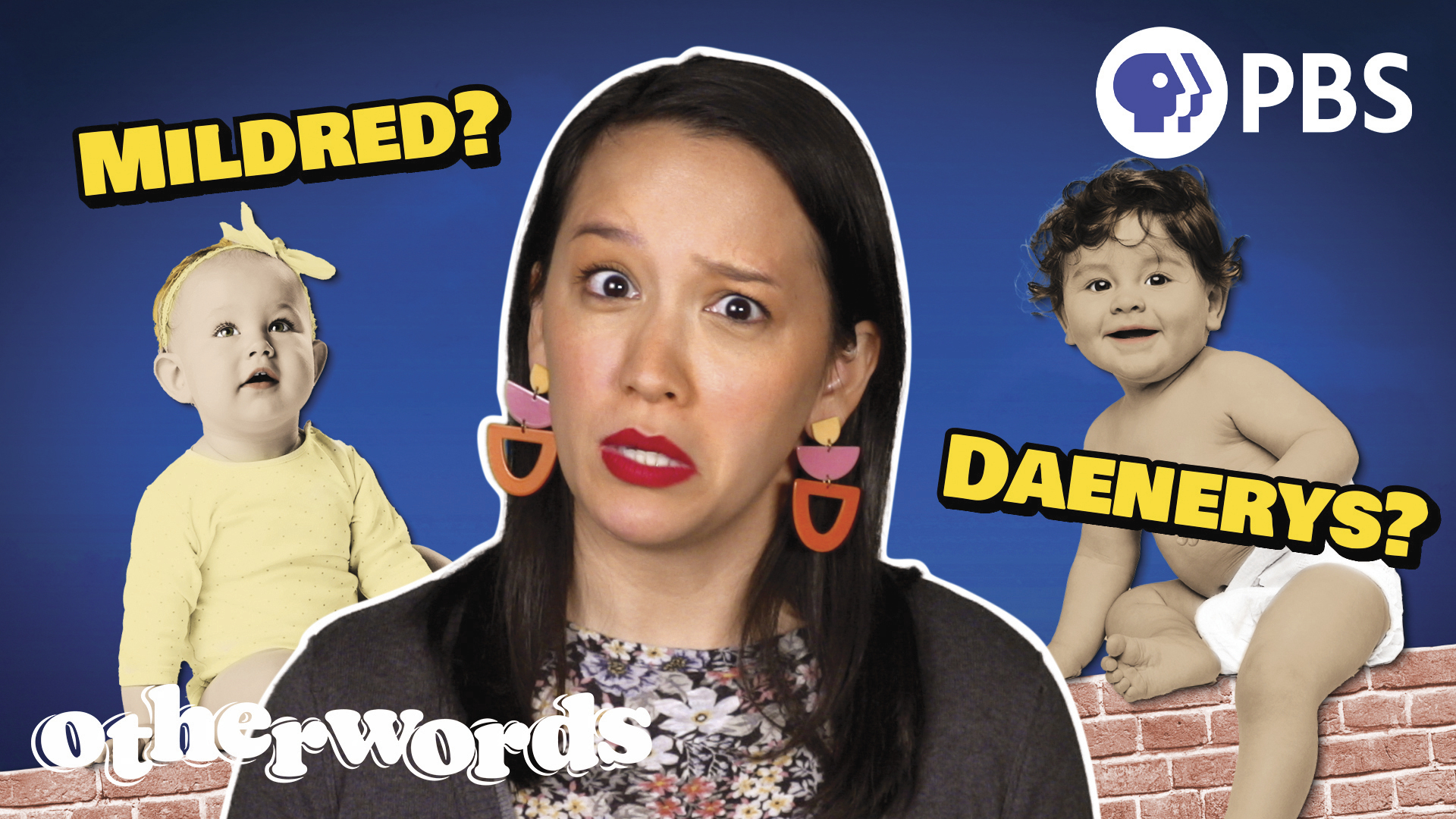
A lifetime of reading eventually led her to earning a degree in linguistics from The University of Texas. After 13 years in Austin, the Massachusetts native is proud that ‘wicked’ and ‘y’all’ now comfortably coexist in her vocabulary. But when she drove to freshman orientation in 2009, it was the first time she had visited Texas. Her first memory of the Lone Star State was the temperature: 106 degrees.
During her 10-year stint at UT, she received her bachelor’s in linguistics, a Master of Arts in English, and her PhD in English with a focus on sociolinguistics, studying how people talk and why they talk the way they do.
She traveled to the Rio Grande Valley to study regional accents with her PhD advisor Dr. Lars Hinrichs’ Texas English Linguistics Lab, contributing to projects such as assessing which 2014 gubernatorial candidate’s name sounded more Texan: Greg Abbott or Wendy Davis.
When Hinrichs received an email from PBS about a new linguistics show, he thought of Brozovsky. They were looking for an engaging host with sociolinguistic expertise, teaching experience, natural ease and warmth on camera, and endless curiosity. He knew just the person.
The first episode, “The Unexpected Origins of the Word ‘Monster,’” debuted in March 2021. COVID regulations still in place, they filmed the entire first season in a North Austin house-turned-studio, with Brozovsky reading her lines in the converted garage and her production team coaching her from the adjoining kitchen windows. Before filming that first episode, Brozovsky swiped on a bright red lipstick—cementing her trademark look along with chunky earrings.
At the start of each season, Brozovsky meets with fellow writers Andrew Matthews and Taylor Behnke to comb through a giant Google sheet of ideas. After the team chooses a topic, they develop the hook (What thumbnail, title, and opening question will spark the most curiosity?) and angle (What does this concept reveal about how humans or the world works?). The hope, says Otherwords co-creator Matthews, is to “foster curiosity about the most ordinary or rote parts of [the human] experience.”
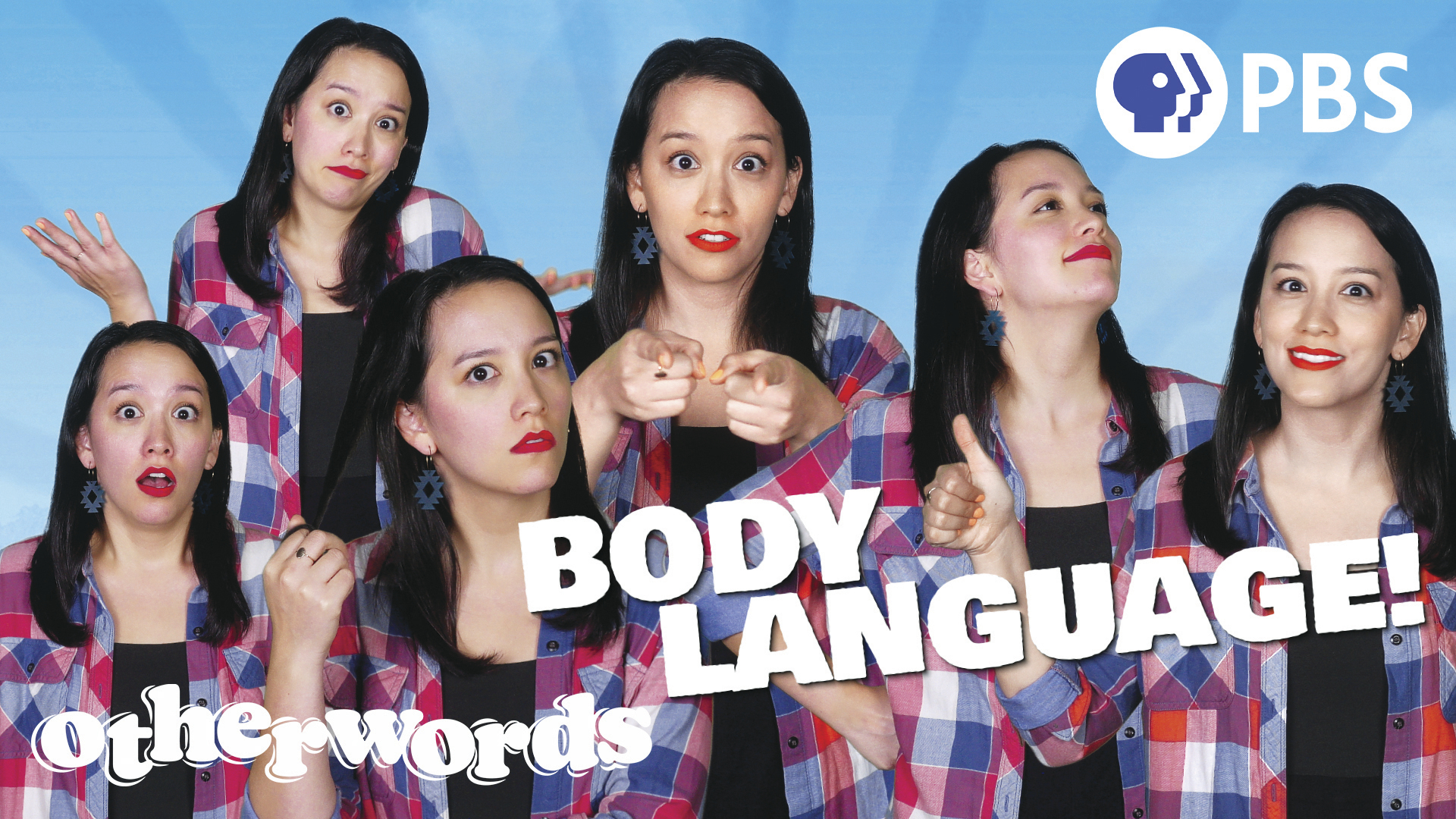
Inspiration arrives in all forms. Brozovsky’s uncle shared an article that inspired her to research the lack of descriptive words to describe smell in the English language. She was intrigued, which sparked several days of reading academic papers trying to uncover common themes. The result is an upcoming episode.
“More people studying language would make people feel like they have more in common with other human beings,” Matthews says. “There’s more that unites us than divides us culturally and linguistically.”
The comment section lives up to this sentiment, with thousands of thoughtful replies on each episode, and fans who have even shared that the show inspired them to study linguistics.
With the rise of artificial intelligence, Hinrichs also sees an urgent need for shows like Otherwords that promote critical thinking around language and the study of the humanities.
“Outreach and showing why what we do is interesting, are more necessary than ever. That’s why it’s a blessing [Brozovsky] is doing it in this novel medium,” he says. “She sneaks in the interesting scholarly narratives through the backdoor. I think that’s genius, and it makes it much more accessible.”
Asking a sociolinguist her favorite word feels like asking a parent to pick a favorite child, but Brozovsky has remained loyal to her favorite word for years: juxtaposition. The combination of an ‘x’ and a ‘t’ is vocally satisfying, she says—and, as the child of a Taiwanese mother and an American father, she’s drawn to the idea of two separate identities coming together.
“Maybe subconsciously this is why I like this idea of juxtaposition,” she says. “I hadn’t thought of it being reflective of who I am as a person, but now I think I will.”
Brozovsky is currently filming season six of Otherwords while teaching writing courses at Worcester Polytechnic Institute. She’s also working on her first book about the history of literacy and power, set to publish in the fall of 2027.
“How cool and fun that I get to do this, and I get to share with the world the fun, interesting things I learn about language,” Brozovsky says. “It seems like one of those fake jobs. Who really gets to do that?”
CREDITS: Courtesy of Erica Brozovsky; Courtesy of PBS/Erica Brozovsky