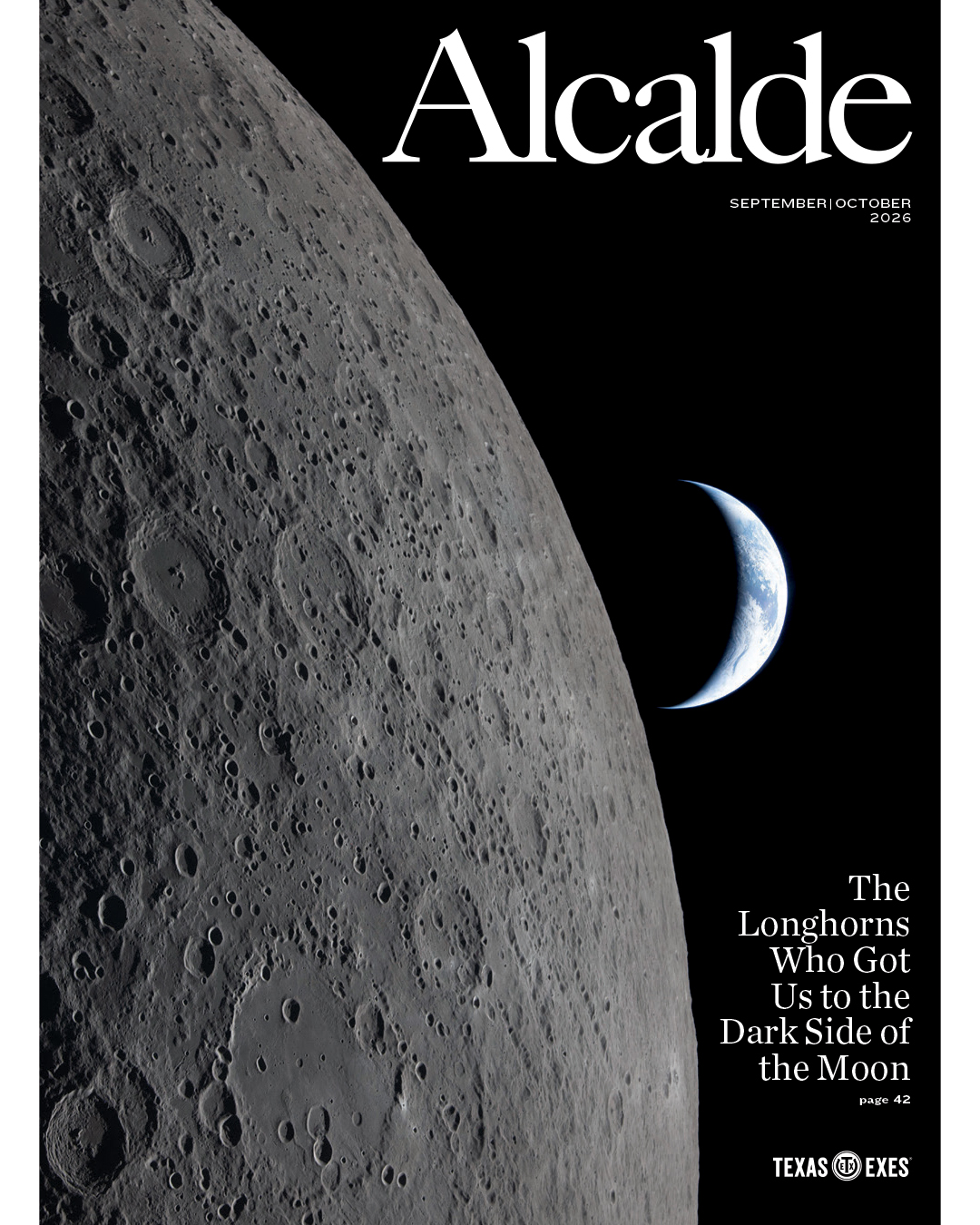
The 2026 Texas Ten
Fifteen years ago, the Alcalde awarded the inaugural Texas 10 cohort. The 2026 Texas 10 brings this group of lauded educators to a round 150. Among a healthy spread of other faculty awards at the University, the Texas 10 was intended to stand out by recognizing nominations from alumni, rather than students or colleagues—because, as one of our previous editors wrote, “sometimes it takes a few years’ distance from 8 a.m. classes before we realize and are able to see clearly which professors really made lasting impressions.”
Each year, the Texas 10 receives a photoshoot at the Alumni Center and a feature in the magazine. Part of the pleasure of producing this award, however, lies in the impossibility of honoring all the world-changing work our faculty does. We know that these nominations are but a glimpse into the lectures and seminars taking place across the Forty Acres every day.
This year’s class represents nine schools and colleges at The University of Texas at Austin. Their research can be found on the shelves of your local bookstore, under the hood of your car, and everywhere in between. All together, these 10 professors can claim 194 years of teaching at the University, and countless lives changed.
Some themes emerged in the interviews: Almost every professor talked about their own curiosity and continued learning, no matter how many years (or decades) they’ve been in the classroom. Though the role of artificial intelligence wavered at the edges of our conversations about how the University has grown and changed, the focus remained on the essentially human work of teaching. But the most common refrain from this year’s Texas 10? The kids are all right.
Portraits by Matt Wright-Steel
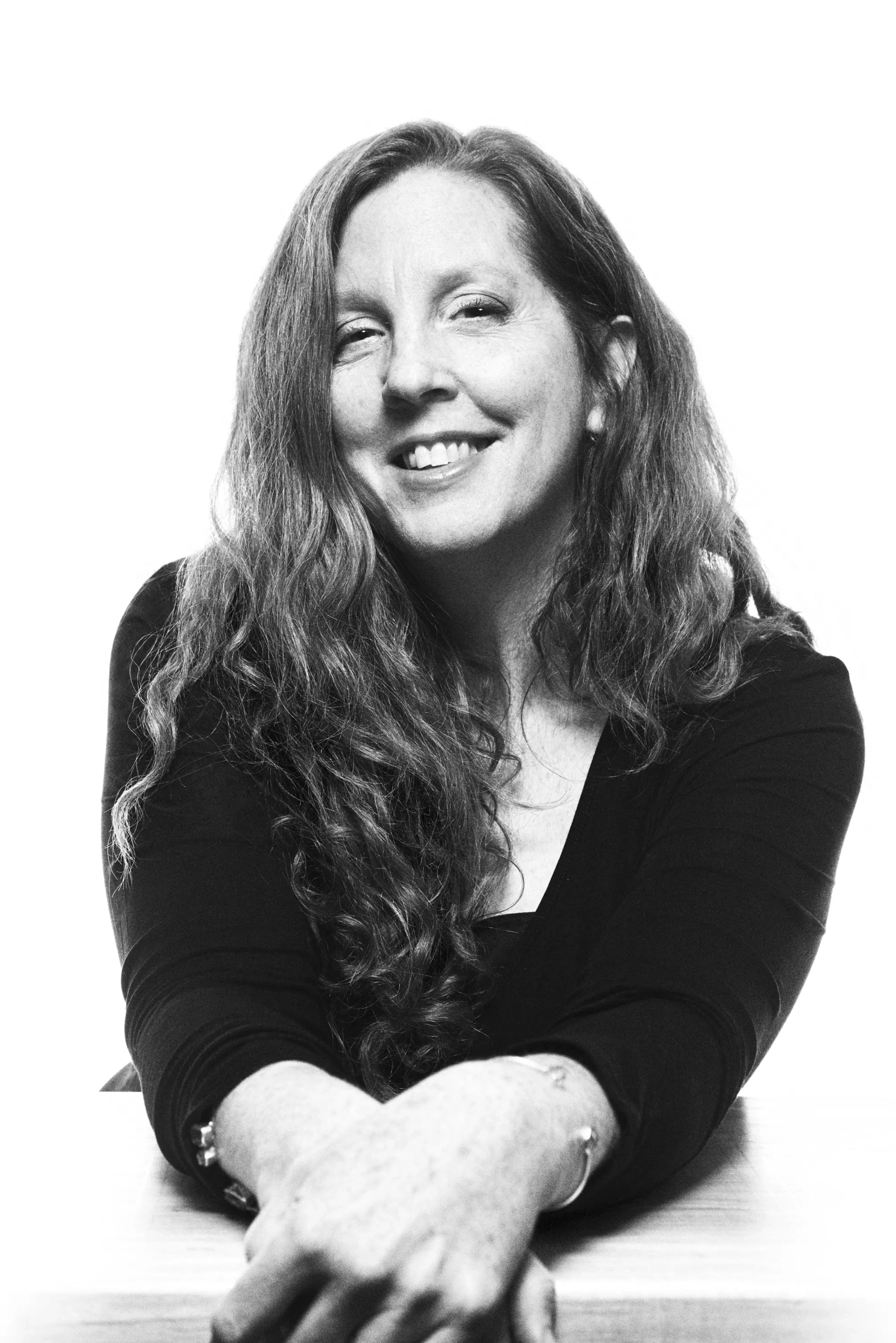
Karen Maness
Assistant Professor of Practice, UT Live Design and Production, College of Fine Arts; Associate Director of Fabrication, Texas Performing Arts
Years at UT: 27
All the world’s a stage, and Karen Maness is painting it. Long before she was hired as the head scenic artist for Texas Performing Arts (TPA), Maness grew up in the theatre. “From 8 years old, I was sitting at my mother’s side while she was running rehearsals,” Maness says of her mom, who was a stage manager and visual artist. “When I was about 14 or 15, I saw people standing up on stage painting with sticks, and what they were doing was beautiful and interesting.” Scenic painting combines formal art training with innovative techniques to replicate real-life environments, such as a vast landscape or period architecture, that can’t be constructed with set pieces. “It was the scale of art-making that sent me in that direction,” she says. “I am in it for the big art. I like making impossibly large things with other people.”
Not long after starting at TPA, Maness realized she had the capacity to make even more of her role by becoming a professor. Her effort to host panels for her students with professional scenic artists connected her with the Art Directors Guild, with whom she eventually worked to document and archive hundreds of Hollywood backdrops. Thanks to this collaboration, UT Austin is home to the most extensive educational collection of Hollywood motion picture backdrops in the world. “I’m not just speaking about how something is done, but I’m showing them, to empower students beyond theory,” Maness says. “The ability to empower future artists is exactly what I’m made for.”
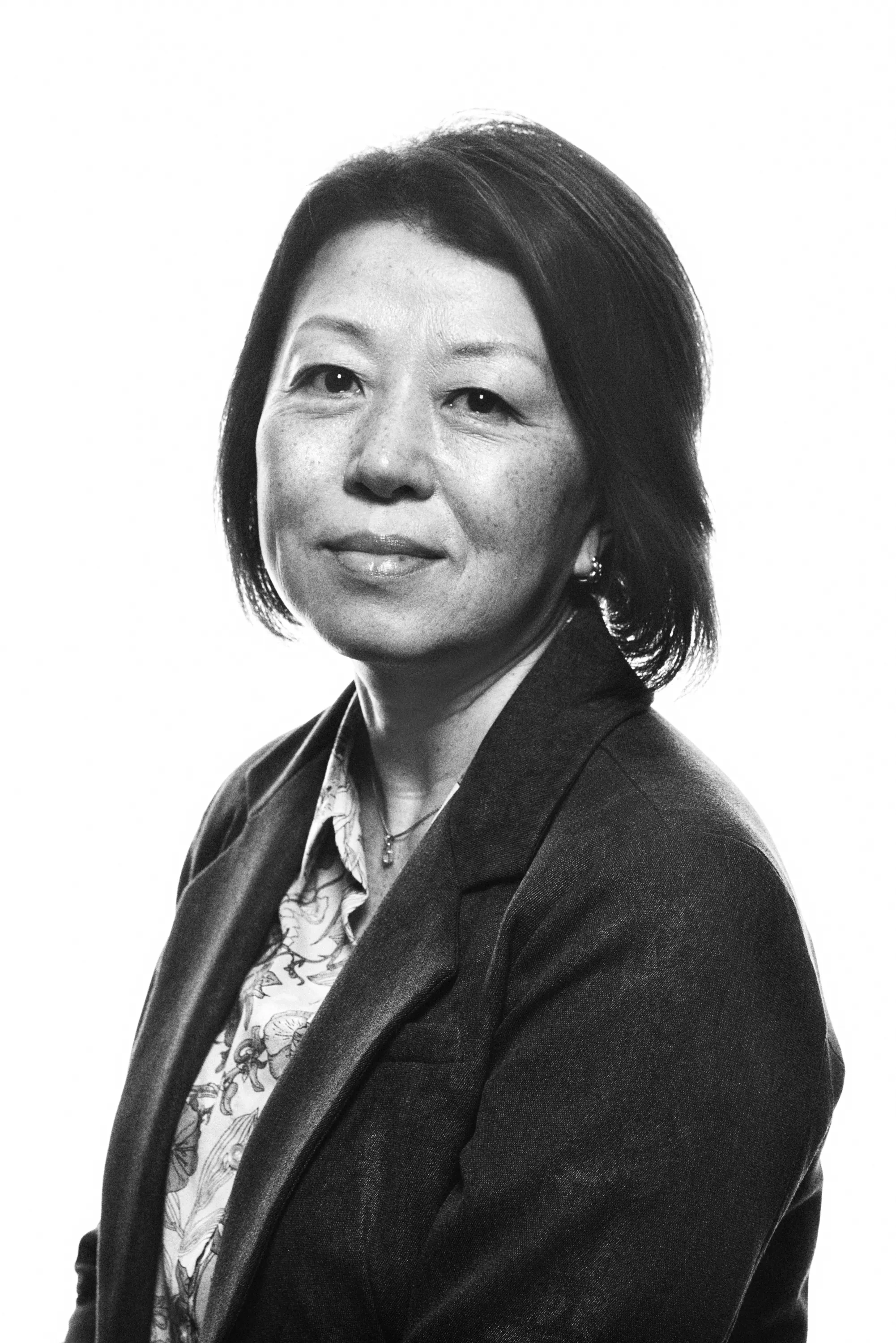
Hongjoo Joanne Lee
Lisa and David Genecov Family Professorship in Plan II Social Sciences, Plan II Honors Program and Department of Psychology, College of Liberal Arts
Years at UT: 18
Much of current scientific knowledge comes from studies based exclusively on data from male test subjects—whether human or man-shaped test dummy or male rats. Hongjoo Joanne Lee’s lab is part of the effort to change that. Lee’s research focuses on environmental cues in the addiction process, but she folds in consideration of female hormonal fluctuation and the effects of hormonal contraceptives, where previous animal studies would have removed or otherwise controlled for these hormonal shifts.
The way she teaches these research principles to her Plan II students, however, requires neither rats nor lab equipment. Instead, her students read and analyze psychological studies from various time periods, before planning their own mock study. “Even though we read published research papers, I sometimes pick studies that have flaws on purpose,” Lee says. “I encourage students to question and think about things critically. My expertise happens to be neurobiology, but you can do this with anything.”
When she reflects on how campus has changed since she started teaching here nearly two decades ago, she says students are generally more comfortable expressing how they feel—but they still might not want to voice when they are intimidated by a subject. “I try to make them feel like it’s okay if they don’t understand it the first time,” Lee says. “It always works better if I’m also honest about myself, that sometimes I don’t understand.”
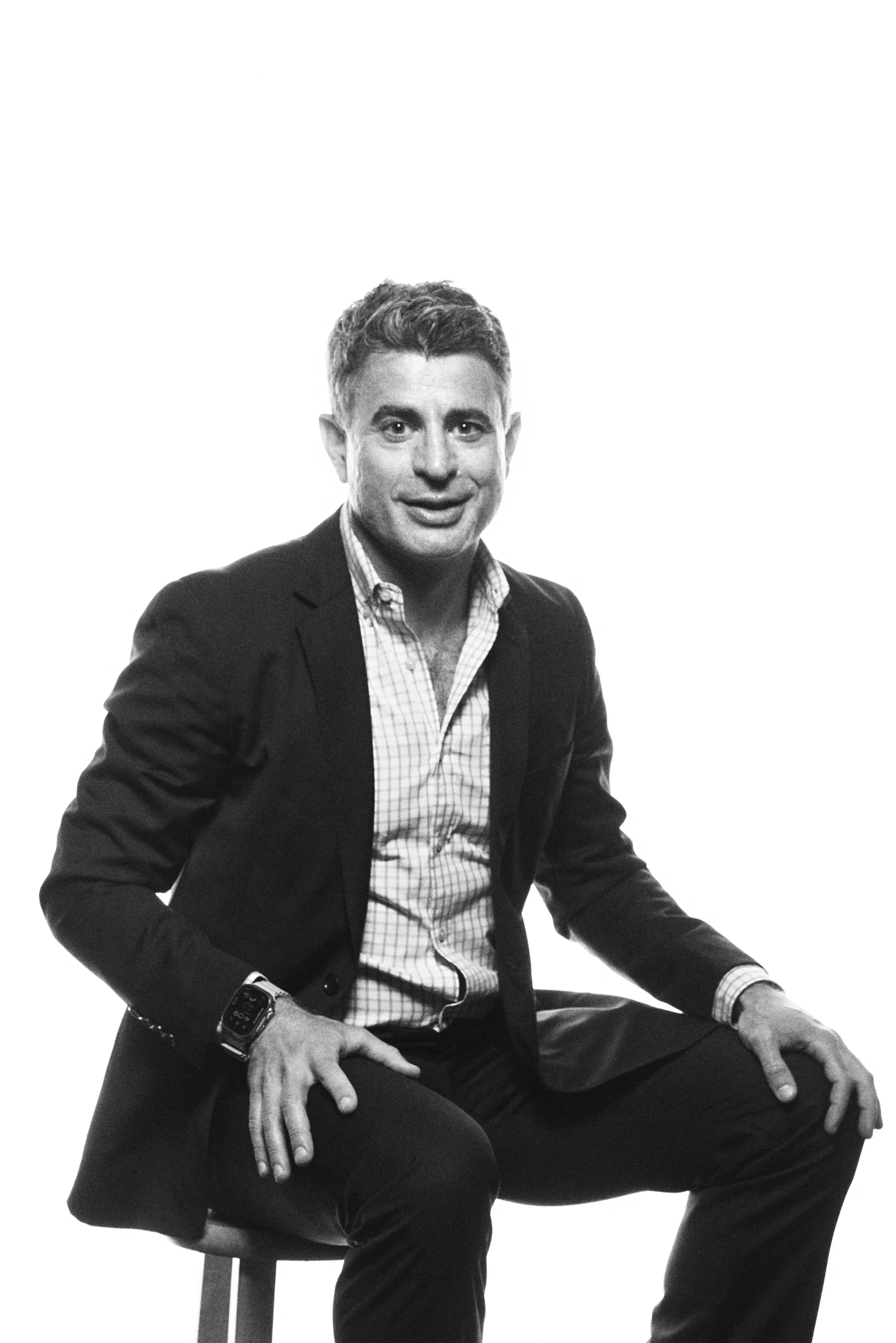
Patrick Badolato
Associate Professor of Instruction in Accounting, McCombs School of Business
Years at UT: 16
Patrick Badolato sometimes challenges his students to see if anyone is taking as many credits as he is teaching that semester. No one’s beaten him yet. Badolato has averaged 18 sections (or 54 credit hours) per academic year over the past decade, more than double the typical full-time professor’s course load. Many of his graduate students hold full-time jobs while also pursuing their degrees, and Badolato thinks the best way to encourage their engagement is to lead by example. “I’m not in any way saying it’s easy,” he says. “It’s challenging, but surmountable.”
Before earning his PhD in accounting at Duke University, Badolato worked in both audit and tax at Ernst & Young in his home state of Pennsylvania. UT was his first full-time faculty position, and though his family back in Philly swears he’s lost his accent, his three children (born and raised here) don’t yet have Southern accents either. “Austin is such a cosmopolitan city,” he says. “If there’s an Austin accent, I can’t figure it out.”
Another way he continues to up the ante for himself is creating his own course materials. “It seemed inauthentic that we [as professors] are saying do this homework, and yet we were using test banks and textbook slides and all this prepackaged stuff,” Badolato says. “I want to make sure that everything is real for the students and show them that learning is an active thing.”
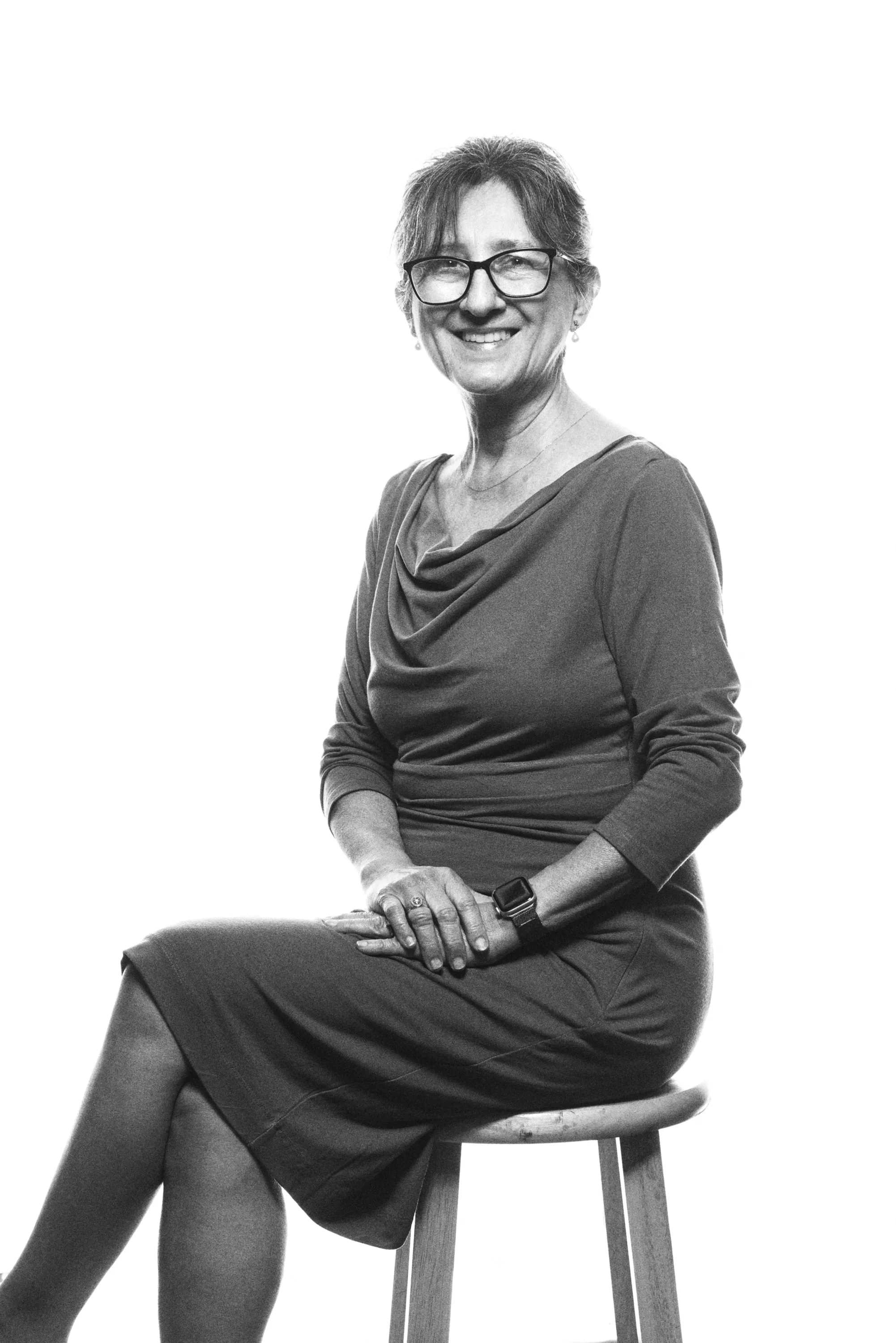
Yolanda Padilla
BA ’78, BSW ’79, MS ’80
Associate Dean for Undergraduate Programs, Clara Pope Willoughby Centennial Professorship in Child Welfare, School of Social Work
Years at UT: 33
Yolanda Padilla was once a transfer student to UT Austin from a junior college in Brownsville, where she grew up just five blocks from the U.S.–Mexico border. “When I transferred here, I thought I was at Disney World,” she says. “I’ve never been to Disney World.” After her undergraduate and master’s studies at UT, she earned her PhD at the University of Michigan, but that, too, was part of her plan to make it back to the Forty Acres.
Padilla is a demographer, using statistics to study human populations, and her academic experience combines both sociology and social work. She often uses theory from one field to provide new perspectives on the other, with a particular focus on the issue of poverty. “I love studying poverty,” Padilla says, “because it was part of my life, but also because of the incredible solutions [for poverty] that we can have out there.” Padilla’s parents were both immigrants, and she and her siblings benefitted from initiatives such as food stamps and Pell Grants. She calls herself the daughter of the American Dream.
Beyond her scholarly focus, Padilla is one of the elite professors selected to develop a Signature Course for a small group of first-year students, which she calls How to Change the World. As much as she benefitted from having a strong mentor early in her academic career, she now strives to fill that role for her own students: making professional or even social connections, and instilling in them the confidence they need to change the world.
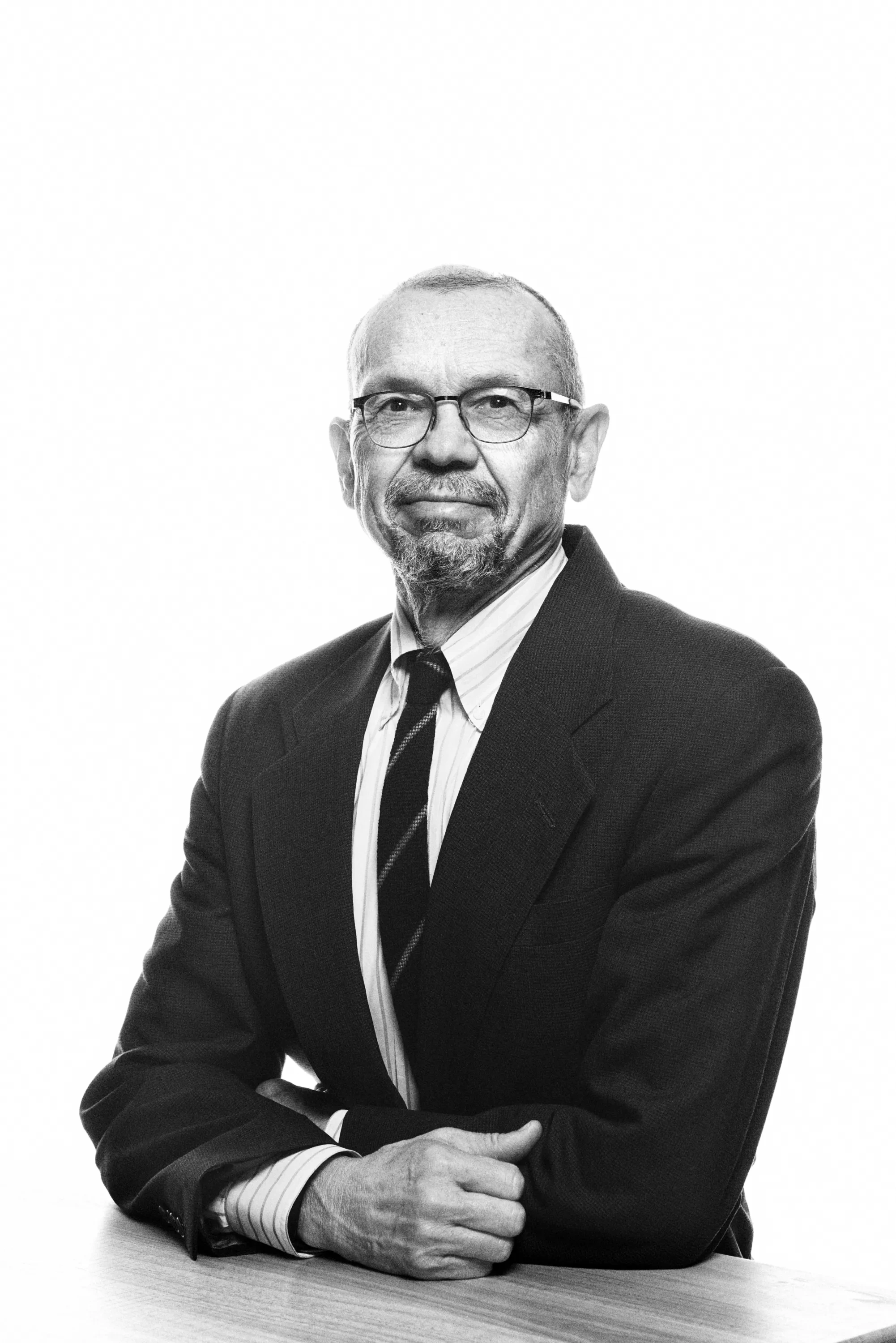
Matt Hall
Louis T. Yule Fellowship in Engineering, Walker Department of Mechanical Engineering, Cockerell School of Engineering
Years at UT: 35
It’s a little ironic: Thermodynamics professor Matt Hall bikes to work most mornings, where he spends his days teaching and researching engine combustion. In the lab, his team might be shooting lasers into an engine to measure the efficiency of its emissions or developing new sensors that would allow consumer vehicles to do the same. Hall started at the University as research staff, in fact, before eventually transitioning to tenure-track faculty.
Besides his professional focus—and despite his daily commute—Hall likes to fix up old cars. Stories about his beloved black Lotus sportscar often make their way into lectures. Other real-life applications come in the form of “Thermo News,” a segment at the beginning of class when Hall shares current events or everyday activities that relate to energy. (The best way to cook potatoes evenly, for example, has to do with thermodynamics.) “I’m trying to make the topics intuitive,” Hall says, “so that it’s not a matter of memorizing equations so much as developing your physical intuition.”
Thermo News is just one of his methods for bringing to life a famously difficult subject, one that a majority of students who pass through the Cockrell School have to weather. More than any mechanistic knowledge, however, Hall says he hopes his students leave his classroom with greater integrity. “Approaching things in an honest way and with an open mind, so they judge things for what they are and try to get over any preconceptions they might have.” With characteristic modesty, he adds: “But I don’t know how much I have to do with that.”
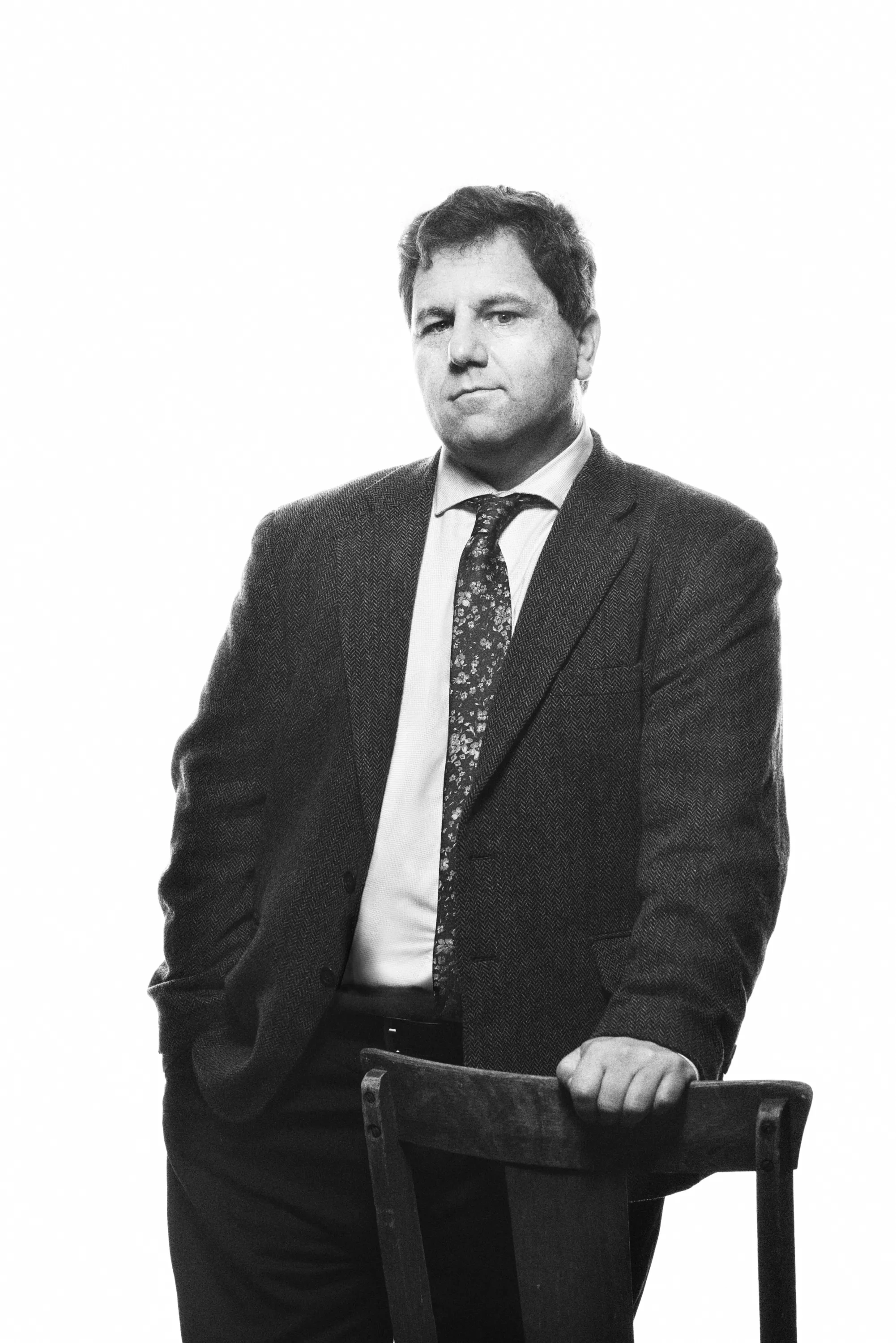
Erik Dempsey
Associate Professor of Instruction, Department of Government, College of Liberal Arts; Assistant Director, Thomas Jefferson Center for Core Texts and Ideas
Years at UT: 18
Erik Dempsey arrives at the Alumni Center wearing aviator sunglasses and remarking casually that he solved the most recent New York Times Sunday crossword in 10 minutes and 44 seconds. This swagger doesn’t typically make itself known until a few weeks into the semester, as this writer can attest, when his class reaches a level of comfortability that allows the verbal sparring to fully unfurl. In fact, Dempsey is a humble and jovial man. He encourages an environment in which people from myriad backgrounds can bare their deepest beliefs and air their tenderest doubts. “It means a lot to me that we can get students who really disagree about things into genuine dialogue,” he says. It’s a milieu that recalls quintessential depictions of academia such as Good Will Hunting or Dead Poets Society. Come to think of it, Robin Williams would have played a great Erik Dempsey.
In courses such as Classics of Social and Political Thought and others through the Jefferson Center for Core Texts and Ideas, of which Dempsey is the assistant director, he invites students to consider society’s most enduring questions. Though his expertise centers on Aristotelian ethics and political philosophy, he also has a hand in the Jefferson Scholars Program’s extracurricular activities, from book clubs to field trips. “I’ve always thought that cultivating the moral and intellectual virtues required of American citizens is a real project that we need to put effort into,” Dempsey says, “and I do think that a Great Books education is a really good way to do that.”
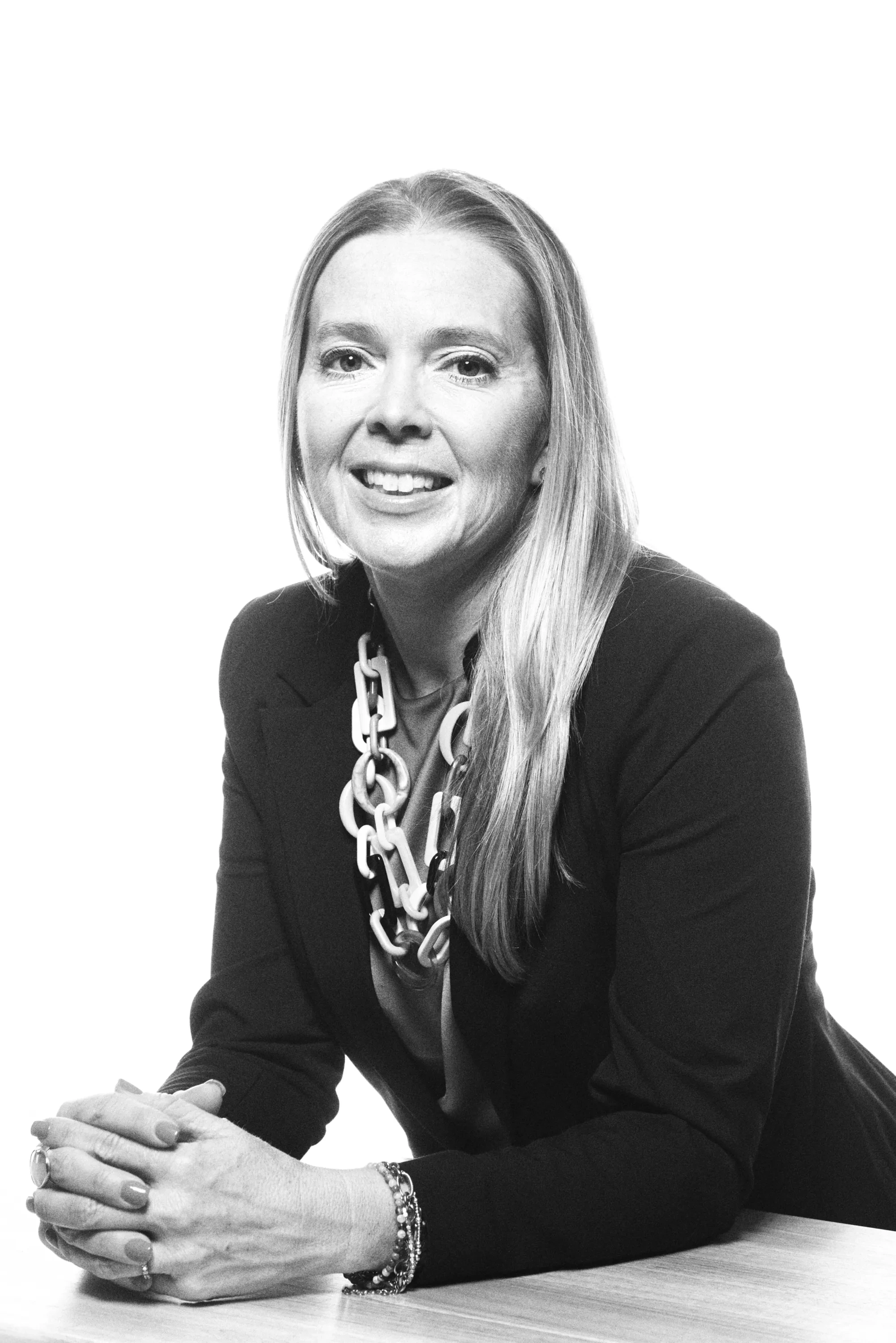
Jennifer Wilson
MA ’00, Life Member
Associate Professor of Instruction and Academic Program Director, Division of Textiles and Apparel, School of Human Ecology, College of Natural Sciences
Years at UT: 7
Jennifer Wilson brought options for her on-camera look. She steps into pointed-toe, leopard-print flats, and out of a pair of well-worn tennis shoes, which she admits with a wry grin are her work uniform (“I’m trekking across campus!”). Then there’s the brightly colored plastic necklace that she bought from a local artisan in North Carolina, plus a swipe of red lipstick. Or would we prefer a soft pink?
Wilson studied apparel design for her undergraduate degree, but she came to UT as a master’s student in advertising. “I thought I wanted to branch out from fashion,” she says, though she still picked up work as a teaching assistant for Textiles and Apparel courses between her graduate classes at Moody. She went on to earn her PhD in consumer behavior and have a wide-ranging career, from marketing to merchandising, in America and in Europe. But when the opportunity arose to return to Gearing Hall, this time as a professor, “it was immediate,” Wilson says.
Her Intro to the Fashion Industry course attracts students from across campus, which she says is also one of her favorite things about her job. “Fashion is so interdisciplinary,” she says. “The students realize that no matter what their major is, there is some way it interacts—not only that, but also in the fact that they’re wearing clothes.” Wilson also appreciates that the industry is fast-paced, constantly evolving, and never stagnant. As for what color looks best with burnt orange, she offers some clever advice: “Denim.”
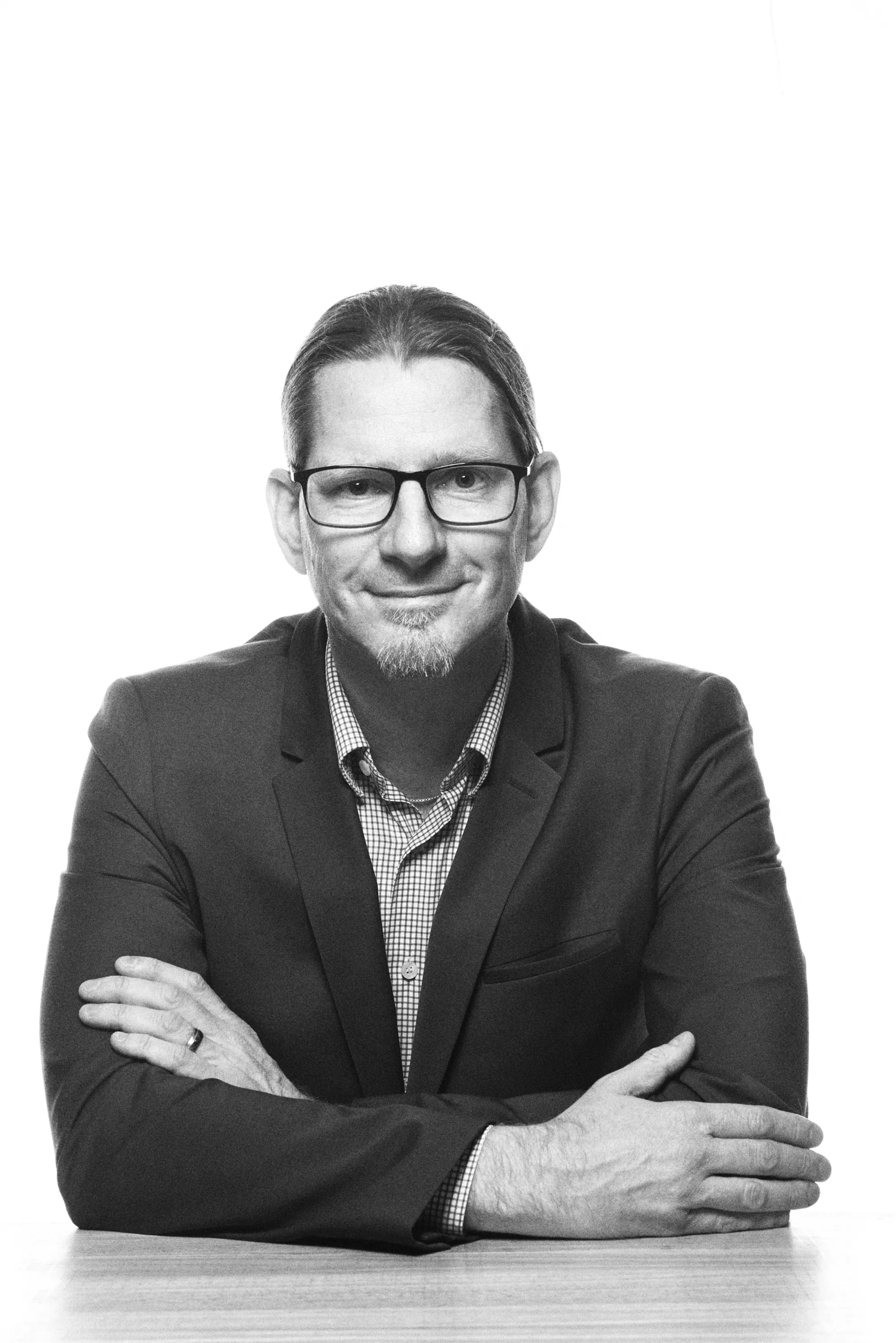
Lorinc Redei
Associate Professor of Instruction and Assistant Dean for Academics, LBJ School of Public Affairs
Years at UT: 15
The one thing Lorinc Redei swore he would never be when he grew up was a professor like his parents. The family moved all over the United States and Europe for his parents’ jobs when Redei was a child, an early introduction to international affairs. His previous job was with the European Parliament as a press officer. “I would try to find ways to explain complicated things in simple terms,” he says of the position, “so it was actually a pretty natural progression [to teaching].”
Redei eventually found his way to higher education, and now he and his wife are raising their 6-year-old son as a Texan—a fact almost as surprising to Redei as how much he ended up loving being in front of a classroom. His pedagogical style reflects this roundabout path to the profession: “I remember one of my colleagues saying, ‘Oh, you actually swear a lot in class.’” Redei likens teaching to stand-up comedy—both requiring a balance of performance and meticulous preparation—and when one’s subject is international affairs, improv is absolutely on the syllabus.
“I had a student tell me once, and this is the highest compliment I think I ever got,” he says, “that after taking my course, when they read the news, they feel like Neo in The Matrix, because they can see what’s going on in the background. And I was like, ‘My job here is done.’”
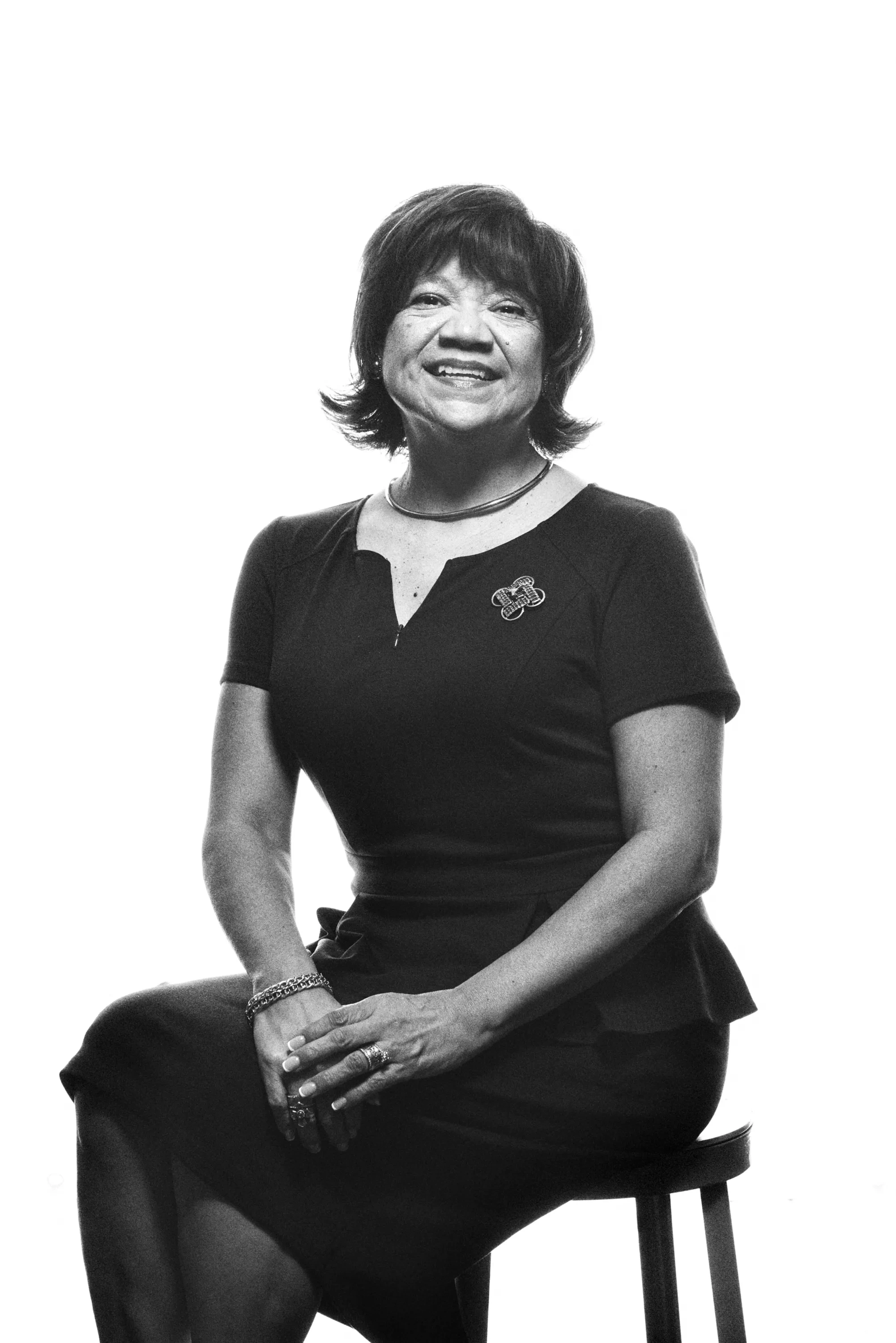
Debra Cantú
BM ’92, MEd ’01, PhD ’13, Life Member
Associate Professor of Practice, Department of Educational Leadership and Policy, College of Education; Co-Director, Texas Principal Leadership Academy
Years at UT: 11
Debra Cantú may have joined the faculty at The University of Texas in 2015, but she first stepped foot on campus as a college freshman more than 35 years ago. She would go on to earn not only her bachelor’s degree, but also her master’s and doctorate
at UT—the consummate Life Member of the Texas Exes. She did spend some time away from the Forty Acres, serving at every level of education, from classroom teacher to regional director of the UT Austin Principalship Program. “I got my doctorate so that I could lead at the district level,” Cantú says, “and I loved it so much that I wanted to develop other leaders.”
Now she does just that, as the co-director of the Texas Principal Leadership Academy master’s program. “What I love about being in the field of education is that we do touch every grade level,” Cantú says. “We truly are impacting and influencing the development of every career in the world.” Her own profession has weathered its share of difficulty since the pandemic, such as student mental health and teacher burnout. Whenever she needs to ground herself, she’ll head to the South Mall, where the Tower has overseen many a core memory—from visiting with her parents and siblings after a National Championship win to playing concerts as a Longhorn Band member, to turning in the final paperwork to complete her PhD. “When I see the Tower, I’m just filled with so many different emotions,” Cantú says. “Such pride.”
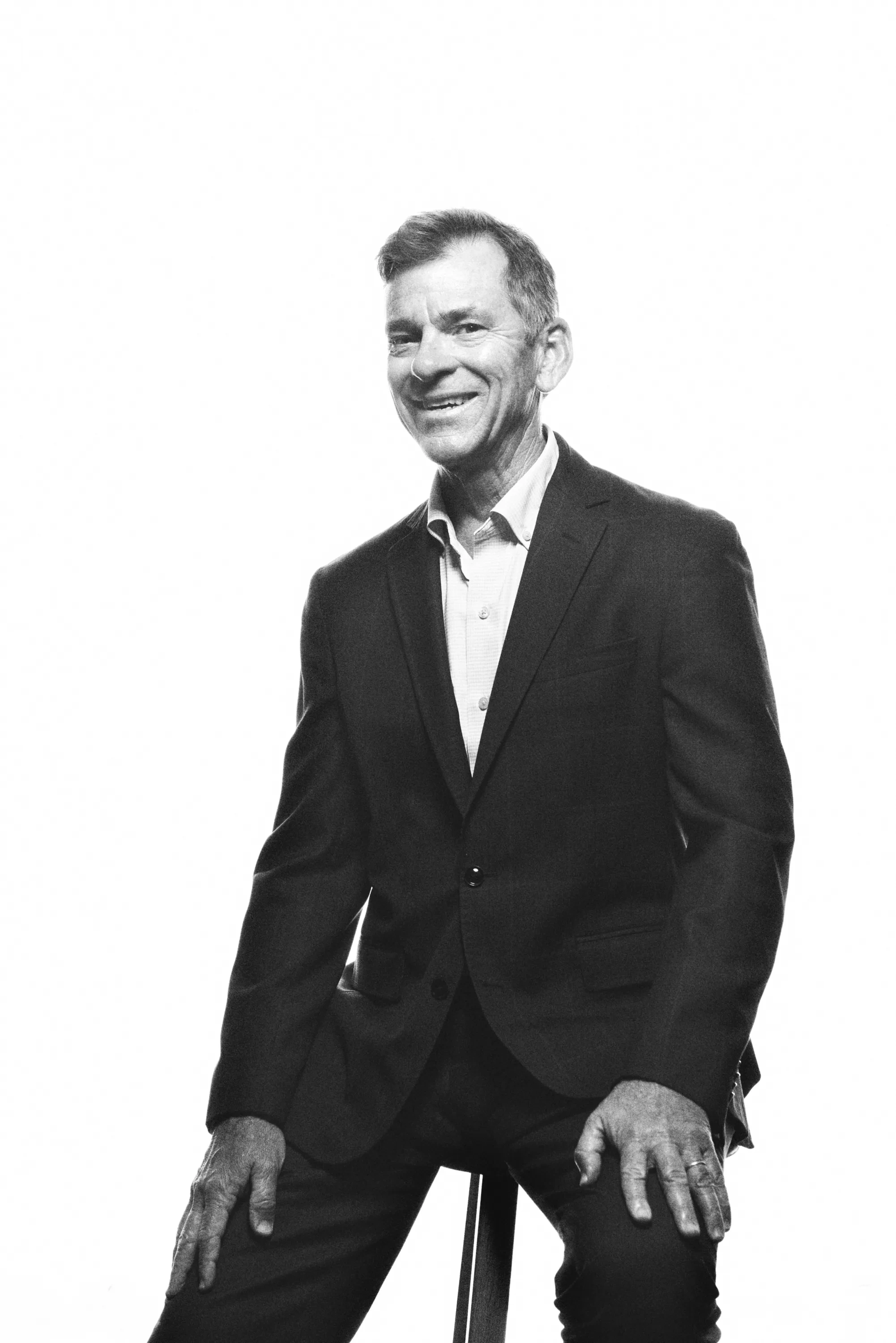
Kevin Robbins
Professor of Practice and Associate Director, School of Journalism and Media, Moody College of Communication
Years at UT: 14
Call it research, or meditation. Kevin Robbins works out his thoughts at the practice greens of Austin’s city-operated municipal golf courses. For having written about many prestigious private golf clubs, the fancy courses aren’t his favorite, nor does he need to play a full round all that often. “I go with, like, six balls and take shots for two hours,” he says. “I go for the solitude and the serenity and the quiet.”
With 22 years in daily newspapers before becoming a professor, Robbins knows noise. His bylines have appeared in The New York Times, Texas Monthly, and the Austin American-Statesman (for more than a decade), as well as on five books of golf history. His professionalism is perhaps only matched by the immense care with which he treats every piece of student work that comes across his desk. But his generosity spares no rigor. “I tell students in the first week of classes, maybe on day one, ‘You hired me to point out every weakness that I see,’” he says. “I also tell them, sometimes many times throughout the semester, ‘You’re not going to fail.’ Effort means a lot in my book.”
While any journalist worth the paper they’re printed on knows to resist generalization, one thing still surprises Robbins about every new batch of students: “They’re not cynical yet,” he says. “They entrust me with their dreams, which is an honor and a privilege, and it’s also really joyful and rewarding to be given that responsibility.”