The Way Back: Starry Skies
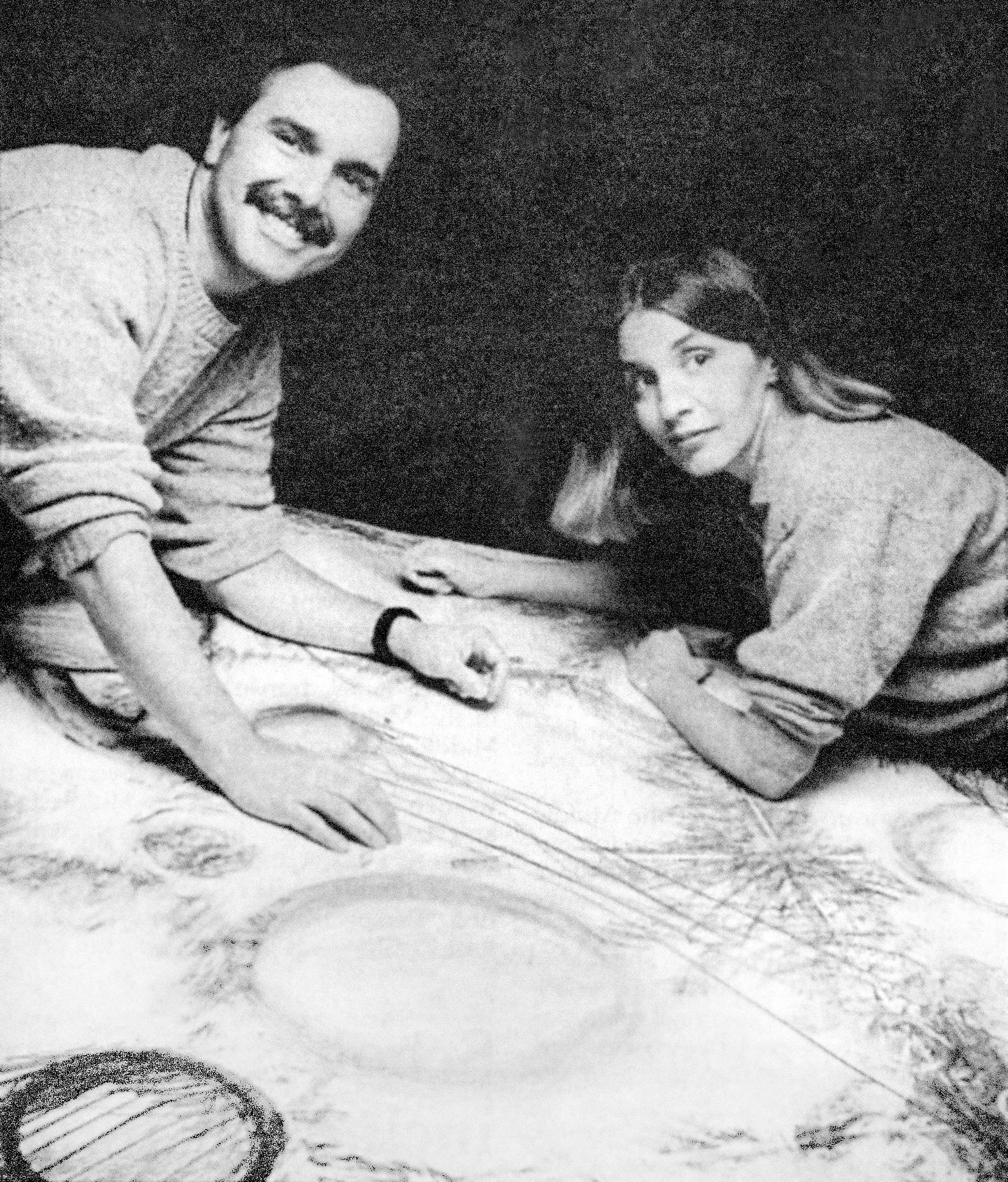
In 1977, Deborah Byrd, a starry-eyed liberal arts graduate, realized she had a knack for explaining complicated subjects. Pondering her next move after graduation, she began working at McDonald Observatory, where she launched a dial-in astronomy hotline. The goal: Teach people about the latest and greatest galactic activity. Byrd’s sharp, snappy scripts caught the ear of a local KLBJ producer who helped her launch a two- minute radio show, Have You Seen the Stars Tonight?
Two years later, with the support of a National Science Foundation grant and the backing of the Observatory, Byrd’s show grew into national syndication under the name StarDate, a reference to the fictional timekeeping system in the 1960s show Star Trek. Byrd teamed up with professional voice actor Joel Block to narrate the program, while she wrote the scripts and produced it. The broadcast grew to more than 300 radio stations across the country.
“I was one of those liberal arts students who was interested in everything, but not really focused on one area,” Byrd told On Campus newspaper in 1991. “When I took a physical science class at UT, I loved it so much that I ended up taking four or five more classes. I really liked physics and astronomy, but I knew I’d never be a physicist. So I got a job at the McDonald Observatory instead,” Byrd said.
Today, StarDate continues as the longest running nationally aired science program in the country, broadcasting skywatching tips and scientific discoveries to millions of listeners. Byrd left StarDate in 1991 to launch her own science media company, EarthSky, where she still shares her keen insights about astronomy and the cosmos to people around the globe.
CREDIT: David MacKenzie