Good Reads Q&A: Deb Olin Unferth Applies Her Imagination to the Essential Elements of Life
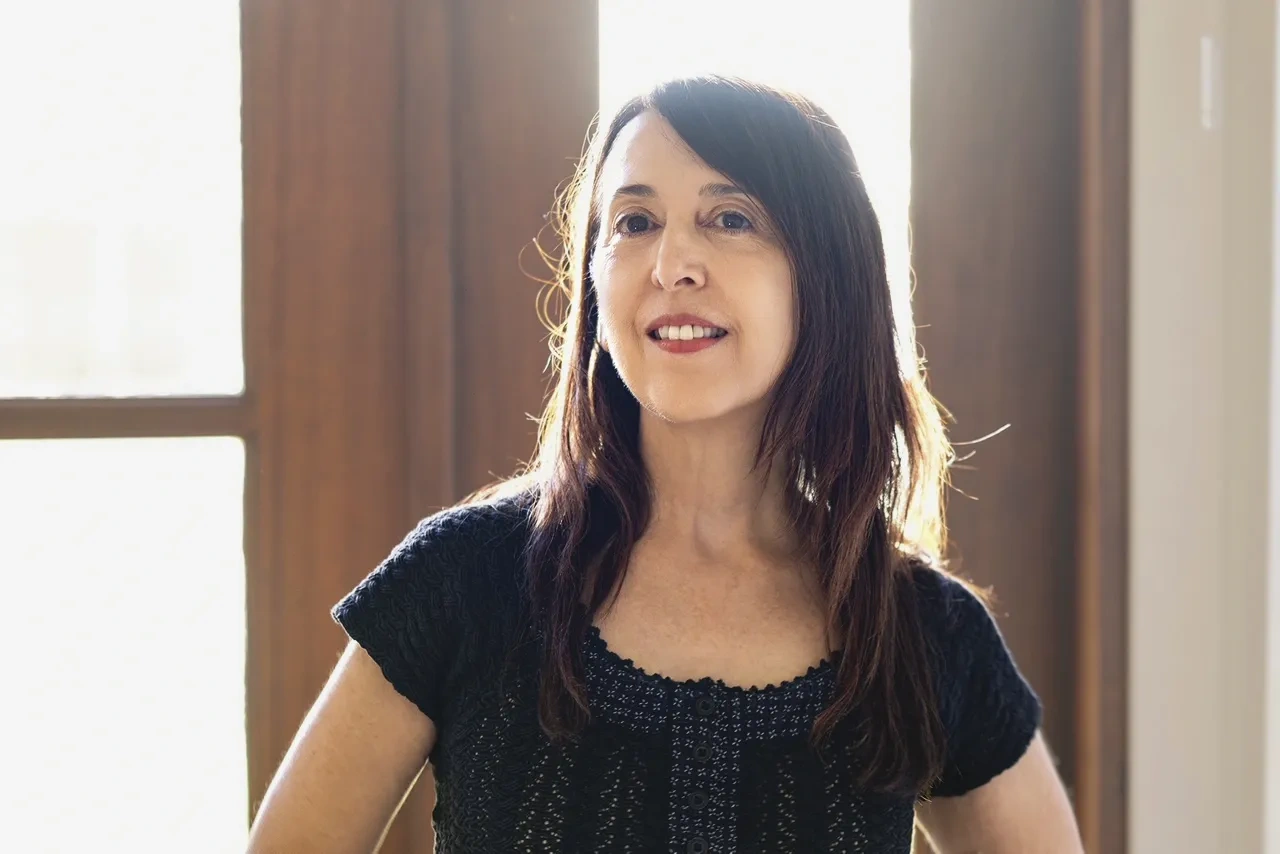
Deb Olin Unferth’s sense of wonder is contagious, whether you are lucky enough to catch her patronizing one of Austin’s independent bookstores or to catch up with her on a video call about her newest novel. A professor at UT’s New Writers Project and the Michener Center, Unferth also directs Pen City Writers, a creative-writing program at a south Texas penitentiary. But these mere biographical details fail to capture the unique texture of her oeuvre, or the generosity with which she moves through the world of letters.
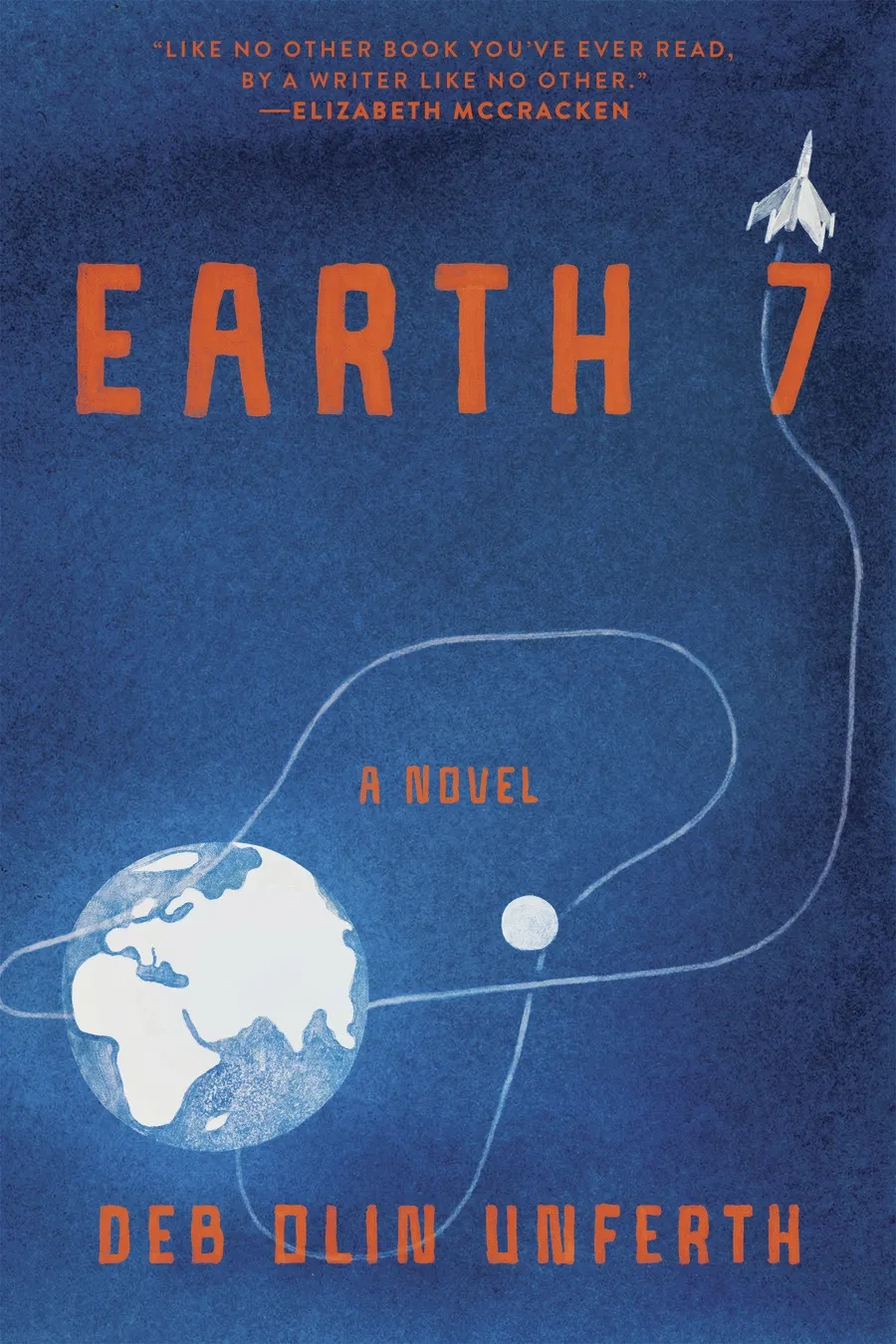
The Alcalde spoke with Unferth about Earth 7, an interplanetary love story that begins with a mother and daughter. Published by Graywolf Press, the book applies Unferth’s capacious imagination to the essential elements of life, starting with the sand beneath our feet.
What interests you about science fiction as a genre?
I like thinking about the different shapes that art can take. When I started writing Barn 8, I had never written science fiction of any kind. But as I developed the story, it became very kaleidoscopic, moving around in different points of view and into the past and into the future. It was so freeing that I just knew that I wanted to pursue that more.
In the meantime, I started reading a lot of speculative fiction and science fiction. It was the pandemic, so I had a lot of time to sit around and read. And then it seemed like suddenly everyone was writing science fiction! For the first time in my life, I was in the trend. That was really fun.
Are there questions or themes that show up in all your work?
Writers worry so much about repeating themselves. But if you think about Kafka and Proust and Beckett and even Toni Morrison and all these different writers, they are writing the same book again and again, addressing the same themes.
I’ve always been interested in the natural world and worried about the future of humanity and what it’s doing to the planet. I got a little more political in Barn 8. And this book, Earth 7, feels less political and more philosophical. But I’ve also always had a philosophical bent to my work, now that I think about it.
I also have big questions about what certain words mean. In some of my earliest work, I would take one word, like the word “honest,” and wonder, What does it mean to be honest? I’m always worrying about questions like that, questions about language. But as I’ve gotten older, the answers have gotten more complicated and wider and more about, what is our purpose, and what are our responsibilities, and what brings us meaning.
Another big question this book asks is what it means to be human. Did your answer to that question change after writing the book?
I began to think that the difference between life and death is actually a lot smaller than I thought. Matter participates in life and then goes out of life and then can go back into life. And I privilege life, but that might be partly because that’s what I am. But maybe it’s the case that “not life” also has value and the shimmering energy that I feel that life has ... It does seem like the question of what it means to be human is becoming more relevant as we move into this place where I feel like I’m being pushed to embrace technology as a friend or a person or someone I can rely on or trust.
How has your style developed throughout your career?
I’ve been like this from the first thing I ever wrote! If you look at the very first two or three little, short things that I wrote, the style is exactly the same ... I like doing that thing where I’m writing, and then suddenly I leap out, and the author makes a comment on the page. It’s like talking over the heads of the characters to have a conversation with the reader for just a second. I guess that’s called metafiction. I don’t do it a lot, but usually it’s when I’ve gotten to a place where I just don’t know the answer. I like expressing that sentiment on the page.
What was your research process for the book?
Oh, I research the hell out of everything. I just like doing it! I like to read a lot, and I like to go places and look at things, and I like to interview people. So I always do a lot of that, and this was no exception. I didn’t realize that I wanted to focus on sand until I went to the Sahara with my friend. It was just before the pandemic, and I hadn’t even really started this book yet. At that time, I just knew I wanted to go to the Sahara badly, and I knew that I wanted to think about sand, but I didn’t really know why.
Being there felt so powerful. It was something about the fact that humans were so tiny on the landscape, and it was so big, and there was so much of it. I started learning about sand, and I read a ton of books about it. You wouldn’t believe how many books there are about sand.
How did you balance hope and optimism in a book about so much catastrophe?
I don’t feel optimistic about humans. I don’t think that we’re going to change our nature. But I believe anyone who could create the public university can’t be so bad. A sprawling place where people from all over the world come, and they’re all talking about ideas and learning. It’s just so great. I just feel like the fact that the public university exists, even if it might die one day—this species created it and held it for a long time, and it’s a beautiful thing. It just fills me with—I mean, I don’t know, does hope have to be about the future?
There is optimism [in the book], but it’s optimism that something really creative and interesting is going to come after us, somewhere and sometime, and it might not even be life. But it might be beautiful and amazing.
This interview has been edited and condensed.
CREDIT: Nick Berard