A Longhorn Multihyphenate Dissects Your Favorite D-List Celebrities
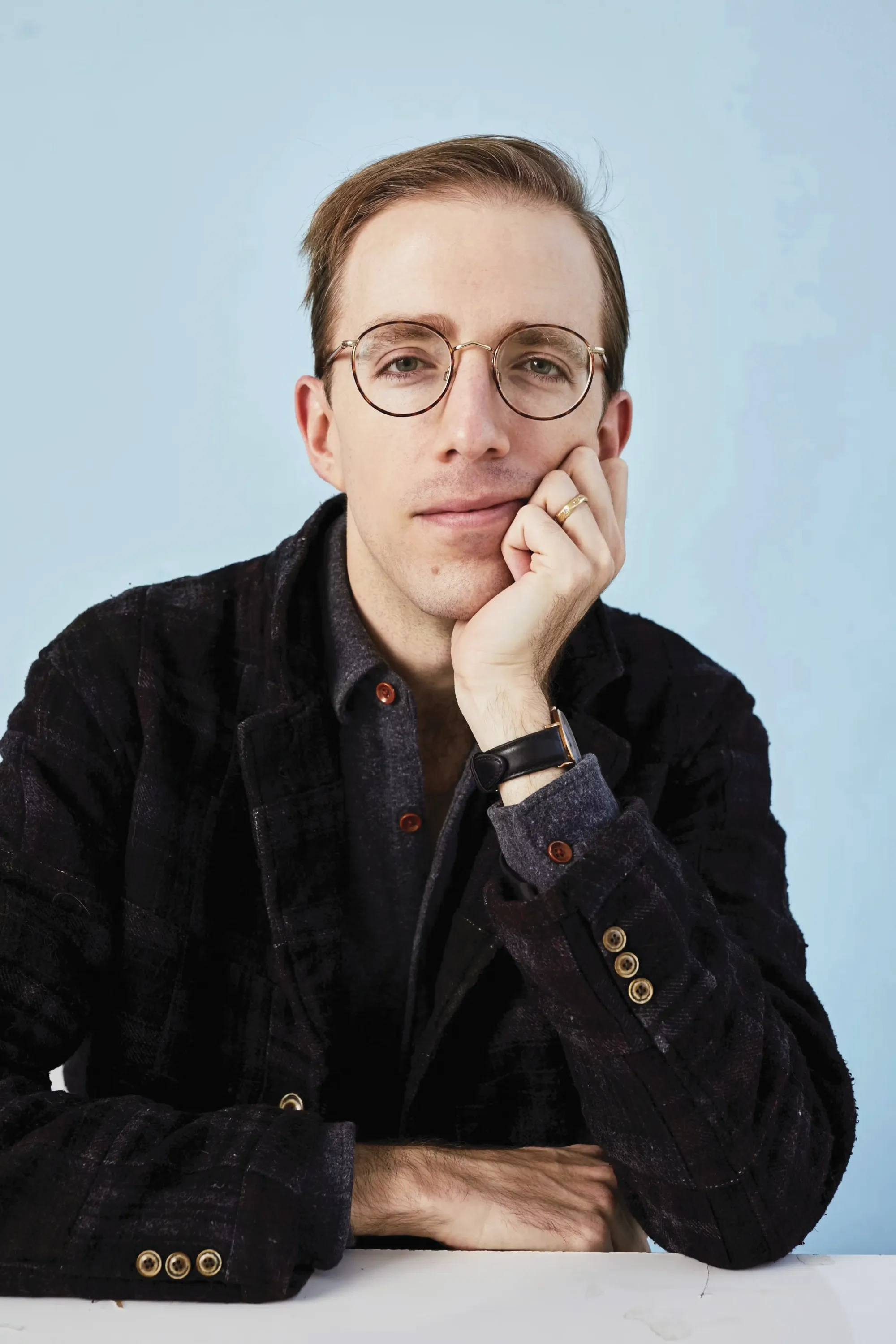
When one hears the name Bobby Finger, one might find themselves thinking, Who? But for a niche subset of Longhorn Nation—perhaps some of the same people who await L’Oreal Sarkisian’s gameday outfits with bated breath—Finger’s name warrants an enthusiastic, Oh, him!
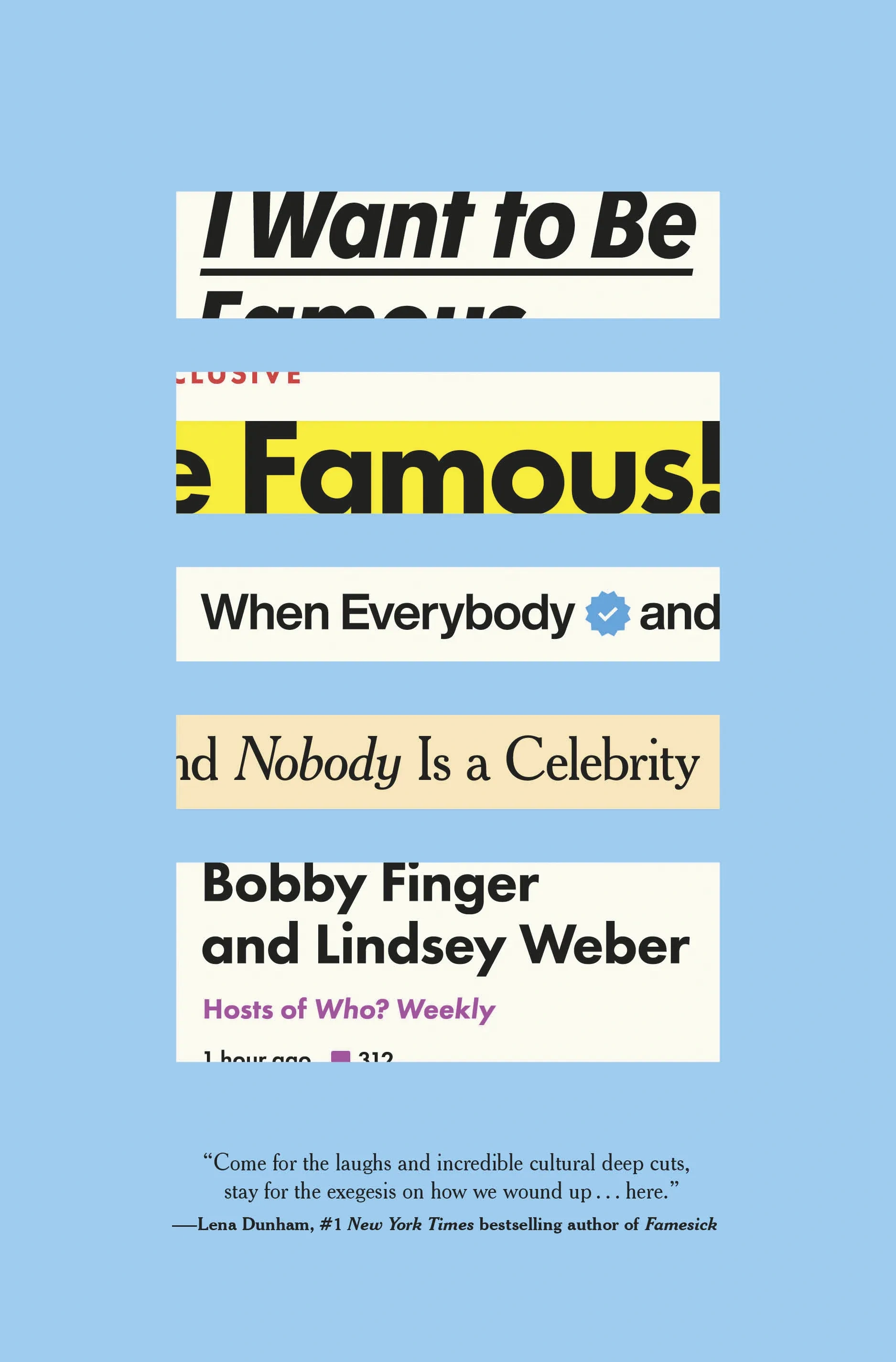
Finger, BS, BS ’08, is a culture journalist and the cohost with Lindsey Weber of Who? Weekly, a podcast with something of a cult following that became the fodder for I Want to Be Famous: When Everybody and Nobody is a Celebrity, out this fall. (He’s also a fiction writer, with a third novel, We Are Gathered Here Today, published this summer. But we digress.) The Alcalde spoke with Finger about his humble beginnings in advertising and the twined delight and import of the modern celebrity machine.
How did you find your way to a career in advertising?
One of my most vivid memories of college was my sophomore year, when I lived in Jester. I was majoring in Radio-Television-Film. My parents called me for some reason, and I was sitting in JCL—which still exists, right?—and they were like, “We are troubled by the prospect of you getting a job with a film degree, and we think you should double major in something because we’re worried that you won’t be able to find a job.”
I was so frustrated—I thought they had no confidence in me!—but I added an advertising major. When I graduated, I was offered a full-time job at this ad agency, but it was 2008, so instantly they laid me off. But this is the greatest thing about the UT advertising program: They have their little tentacles everywhere. I had a Rolodex of alums at all of these great agencies in New York, and they were all so generous with their time. And finally, one of them knew an agency that was hiring interns.
How did you start writing books?
Advertising ended up causing me significant burnout ... so I knew I wanted to get back into journalism in some way. I was freelancing in New York just for fun, and through that, I met a woman named Emma Carmichael, and I freelanced for her at [digital news sites] The Hairpin and Jezebel, where she offered me a full-time job.
Around that same time, I started a newsletter about celebrities with my friend Lindsey [Weber] called “Who? Weekly,” which transitioned into a podcast [of the same name] that we did for fun for a couple of years, and it didn't make any money. And then at some point while I was at Jezebel, we got advertisers, and then it becomes something that you can do part-time. And then it became enough to make it our whole thing.
I wrote my first novel, The Old Place, during the pandemic just because I had time. It was originally a screenplay, to go back to RTF!
Can you explain the dichotomy that runs through the book?
Who? Weekly was originally just making jokes for our friends about the least identifiable celebrities that were in the news that week. They’re the “Whos” ... But when it became a podcast, we realized we needed a binary, and it was very quick that it had to be the “Thems.”
There’s all this conversation, especially about Thems, about the paparazzi and the press invading their lives, that they just want to be left alone. The fun thing about the Whos is that they really want attention. They’re craving it. Lindsey and I came of age in the era of Perez Hilton, so we never wanted to be nasty. We only wanted to talk about people who want our attention, who are doing absurd things in Hollywood, like collaborating with chip brands to make music.
How did the book develop from the podcast?
The worst conversation in the world is when someone asks what I do, and I have to explain that I have a celebrity podcast (which is why I’m so glad that I have books now, and I can just say I’m an author). Because the assumption is that it’s a gossip podcast, and we really did not want to do gossip on the show—mainly because we didn’t want to get in trouble! We don't want to be those people who are making stuff up and making people angry. We just want to make it funny.
Lindsey and I have always joked that what we’re really doing is media studies, because we love talking about the journalism. Like, how are [the Whos] pitching these stories? How are different outlets reporting the same thing? How did this story arrive on our [social media] feed? We love these reporters—a lot of them are our friends!—and their work matters. Even if we're laughing at a headline about Brooklyn Beckham, we're glad it exists.
Something that we hope the book does well is to remind people that for as long as there has been recorded entertainment for mass audiences, there have been people who consume culture reporting. There has been fandom. Early on, people were reading Photoplay magazine to find out what Clark Gable was up to. I think it is always fun to see that nothing is really all that new. Technologically speaking, yes, the way we're consuming [celebrity reporting] is new and probably dangerous. But we've always been fascinated by celebrities.
Have you gleaned anything salient about pop culture after following it so closely for at least a decade?
In this age of endless scrolling and short, decontextualized clips, I think it’s always important to remember that everything started somewhere. I’m trying so hard not to sound sanctimonious about it because we’re not really doing a public service, but we enjoy pointing out how the sausage gets made. Lindsey and I would both argue that [pop culture] is even more fun if you get in the weeds a little bit, if you’re willing to scrutinize it. That’s more fun to us than pure gossip.
This interview has been edited and condensed.
CREDIT: Elena Mudd